The X social media platform (formerly Twitter) has upwards of 600 million users and ranks as one of the world’s most visited websites. Yet it’s plagued by controversy, much of it in response to the sweeping changes made by Elon Musk after he acquired the company in April 2022. Laying off half its workforce before eventually rebranding the company to X, the world’s richest man loosened content moderation rules, modified the algorithm and reinstated formerly banned user accounts of conspiracy theorists and other promoters of mis- and disinformation.
Based on CIRA’s 2025 Canadian Internet Trends research, X is not overly popular among Canadians. With just 19 per cent of us saying we use the platform, X ranks far behind Facebook (66 per cent) and Instagram (45 per cent) and just slightly ahead of TikTok (18 per cent), Pinterest and Snapchat (15 per cent each).
Despite its low uptake, X elicits strong opinions from Canadians, many of whom are critical of its questionable track record on online safety. No social platform is considered one hundred per cent safe—far from it—but Canadians perceive X to be the least safe of all. Less than half of us (47 per cent) view it as doing a good job of protecting us from online harassment, down 20 per cent from 2018 (67 per cent).
Staying safe online is a top priority for Canadians, although online harassment is relatively common. Overall, 23 per cent of us have experienced or witnessed harassment when using the internet. These numbers vary substantially by age, with 42 per cent of people aged 18 to 34 saying they’ve had these negative experiences, compared to just 14 per cent of people aged 55 and over.

In addition to scoring poorly on online safety, X has the dubious distinction of ranking the lowest among social platforms on key content quality metrics in the 2025 research. One third of Canadians (33 per cent) identify X as the platform most likely to spread misinformation and disinformation and 31 percent identify it as the platform most likely to promote polarizing content, in both cases up from 18 per cent in 2024.
For some, distinguishing between fact and fiction online can be challenging. More than one in ten Canadians (13 per cent) say they have liked, shared or re-shared fake, misleading or untrue content, such as fake news articles, TikTok videos touting miracle cures or cryptocurrency scams. After realizing their mistake, most people take steps to correct it. Of those, 59 per cent report removed the content in question, 55 per cent say they informed others that what they shared is not true and 46 per cent say they unshared the content.

Deepfakes are media manipulations that use AI to create convincing fake videos, images and audio recordings. Increasingly, Canadians find this type of misleading and often malicious content worrisome, with a third of us (34 per cent) reporting that we’ve come across one or more deepfakes in the past 12 months, a 14 per cent increase over 2024 when just 20 per cent had. As these experiences become more common, 59 per cent of us believe deepfakes are a threat to elections, up from 51 per cent in 2024, and more than three quarters (79 per cent) believe that users should not be allowed to post deepfakes on social media.
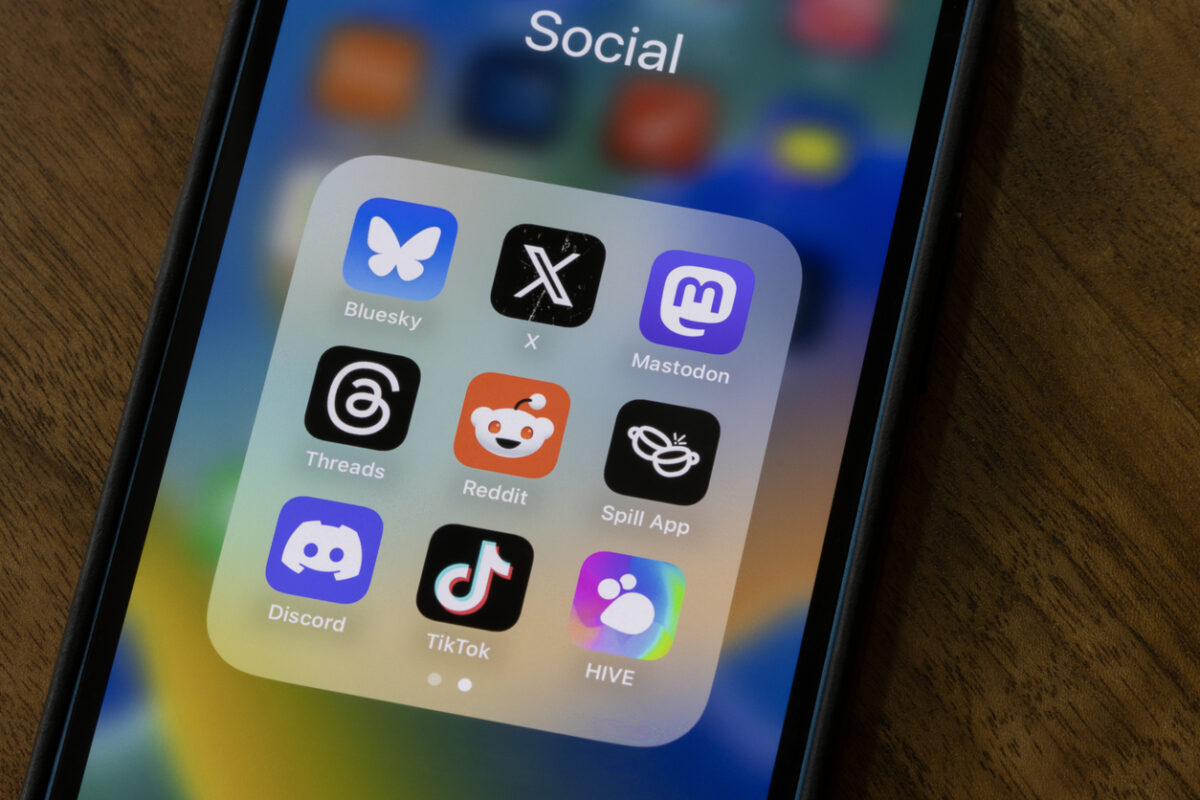
It can be overwhelming sifting through the misleading content that floods our social feeds—whether on X or any other platform—but fortunately there are steps we can take to protect ourselves from any associated harms. Moving from X to alternatives such as Bluesky or Mastodon is one option, as is continually sharpening our digital literacy and critical thinking skills to make sure we can distinguish what’s real from what’s fake. There’s also no substitute for thoroughly fact checking any questionable information we encounter online against multiple sources, especially before clicking the share button.
To learn about the key steps for protecting yourself online, the Government of Canada has produced a wide range of resources through their Get Cyber Safe campaign. Be sure to visit getcybersafe.ca for more.
Spencer Callaghan is the director, brand & communications at CIRA. He is a writer, former journalist, and has experience in technology, non-profit, and agency environments throughout his career. His areas of expertise include content marketing, social media, branding, and public relations.