The Project
For years, the Leq’a:mel First Nation community in rural British Columbia struggled with unreliable internet access. Frequent outages and slow speeds disrupted business operations, education and daily life—isolating the community both geographically and digitally. The issue became especially troublesome in the early stages of critical contract negotiations for potential major infrastructure projects that would bring much needed economic development to the area. As LDC CEO Ron Smith put it, “[The community] is not only having trouble connecting across the parking lot, but literally around the world. They were isolated not only geographically, but technologically.”
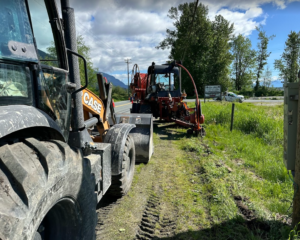
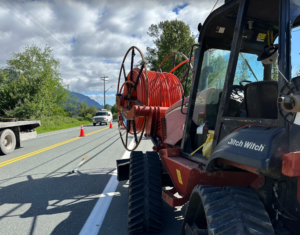
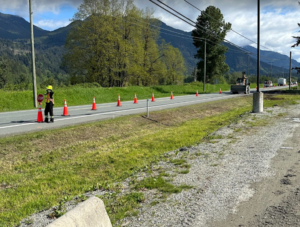
To address this, LDC—the Nation’s economic development arm—proposed the Internet Stability Project for support from CIRA. LDC’s mission is to create sustainable employment and business opportunities for Leq’a:mel First Nation members while protecting the land and culture for future generations. The project involved installing fibre optic cable along Highway 7, upgrading network hardware and laying the groundwork for LDC to become a local internet service provider. The initiative also included plans to offer free WiFi at community hubs and support future residential and commercial developments.
Community Impact
“We as a small entity, just like all the other small businesses and small communities in the province of B.C., we are the lifeblood of the province, and we cannot exist anymore without connectivity.” – Ron Smith
The impact of the Internet Stability Project has been transformative for Leq’a:mel First Nation. “This is foundational infrastructure,” Smith reflects, “no less important than sewer and water.”
With the new fibre optic in place, the community now enjoys reliable, high-speed internet that supports everything from business to education and emergency services. “When [community members] come in for a coffee at the Canco or the Tim Hortons and try to connect to the public WiFi now, they know they can and there’s a reliability that wasn’t there before, and with reliability comes a sense of being included.”
The improved connectivity has enabled the development of a 140-acre business park and has attracted new commercial tenants who are switching from national providers to LDC’s local service. “We’re looking at about 450 new employment opportunities that that would not have been possible without fibre,” explained Smith. The project has also enhanced property values and made the community more attractive to prospective residents and investors by ensuring reliable, long-term connectivity.
Beyond economic development, the network has strengthened the community’s ability to respond to emergencies, support virtual learning and host remote meetings—capabilities that were previously out of reach. The infrastructure is already supporting future developments, including mixed-use housing and commercial projects, and has positioned LDC as a model for other rural communities seeking to take control of their digital futures.
Related Links
- Leq’a:mel First Nations: https://leqamel.ca/
- Leq’a:mel Development Corporation: https://leqameldevelopmentcorporation.ca/
- How CIRA Grants support community-led development in three First Nations: Blog post
Photos